

Associated Retina Specialist, PLLC provides specialized medical and surgical retina care in Manhattan, New York City. Our retina specialists diagnose, manage, and treat conditions affecting the retina and macula, including age-related macular degeneration, diabetic retinopathy, retinal tears, and retinal detachment.
Retinal Conditions We Diagnose and Treat
Some retinal diseases develop gradually, while others cause sudden symptoms that require urgent medical attention. Retinal diseases can affect central vision, peripheral vision, or both. Our Manhattan Retina Specialists evaluate a range of retinal and macular conditions, including those described below.
Age-Related Macular Degeneration (AMD)
Age-related macular degeneration (AMD) affects the macula, the central portion of the retina responsible for sharp, detailed vision. It can cause blurred or distorted central vision, making activities such as reading, driving, or recognition of faces more difficult.
There are two forms of AMD: dry and wet. The type of the disease and the stage it has progressed to determine the treatment options. Our retina specialists evaluate macular changes and determine appropriate management options, including available treatments for eligible patients with dry AMD.
For additional information about age-related macular degeneration, visit the National Eye Institute.
Diabetic Retinopathy
It’s possible to develop diabetic retinopathy without noticeable symptoms. This is a complication of diabetes that damages blood vessels in the retina. As the disease progresses it can cause blurred vision, serious vision loss, or bleeding inside the eye.
It’s possible that people with diabetes can develop diabetic macular edema, which is a buildup of fluid in the macula that can affect central vision. Our retina specialists use dilated eye examinations and imaging to evaluate the extent of the disease. We then determine if monitoring or treatment is the best route for that individual. Treatment can include eye injections, surgery, or laser procedures.
Retinal Tears and Retinal Detachment
When a break occurs in the retina it results in a retinal tear. The light-sensitive tissue lining at the back of the eye becomes damaged. Sometimes fluid can pass through the tear and cause the retina to separate from the underlying tissue, resulting in a possible retinal detachment.
Sudden flashes of light, a shower of floaters, or dark shadows are some of the warning signs. It may feel like a curtain is moving across your vision. Symptoms like these require immediate evaluation because they may lead to permanent vision loss if not treated promptly. Treatment for these symptoms include retinal surgery, freezing treatment, or laser procedures.
If you experience new floaters, shadows or “dark curtains” across your vision, sudden flashes then you should see immediate evaluation by an eye care professional. Do not wait to make a routine appointment, consider going to an emergency department equipped to handle eye emergencies.
Macular Holes and Epiretinal Membranes
Blurry or distorted vision can be the result of macular holes or epiretinal membranes, which is a thin layer of tissue that has formed on the surface of the retina. This can cause wrinkling or distortion.
When Should You See a Retina Specialist?
After a routine eye exam you may be referred to a retina specialist, or you may have already noticed changes in your vision that require more evaluation. Retinal conditions may develop without noticeable symptoms, while others cause sudden decrease in vision that require immediate attention.
- Blurry or distorted central vision
- Flashes of light in your vision
- Dark spots or “missing area” in your central vision
- A shadow or dark curtain in part of your vision
- A diabetes diagnosis with retinal complications
- A referral from your optometrist or ophthalmologist
Sudden symptoms require an urgent medical evaluation. For other retinal issues visit our Manhattan office for specialized examinations with a retina specialist.
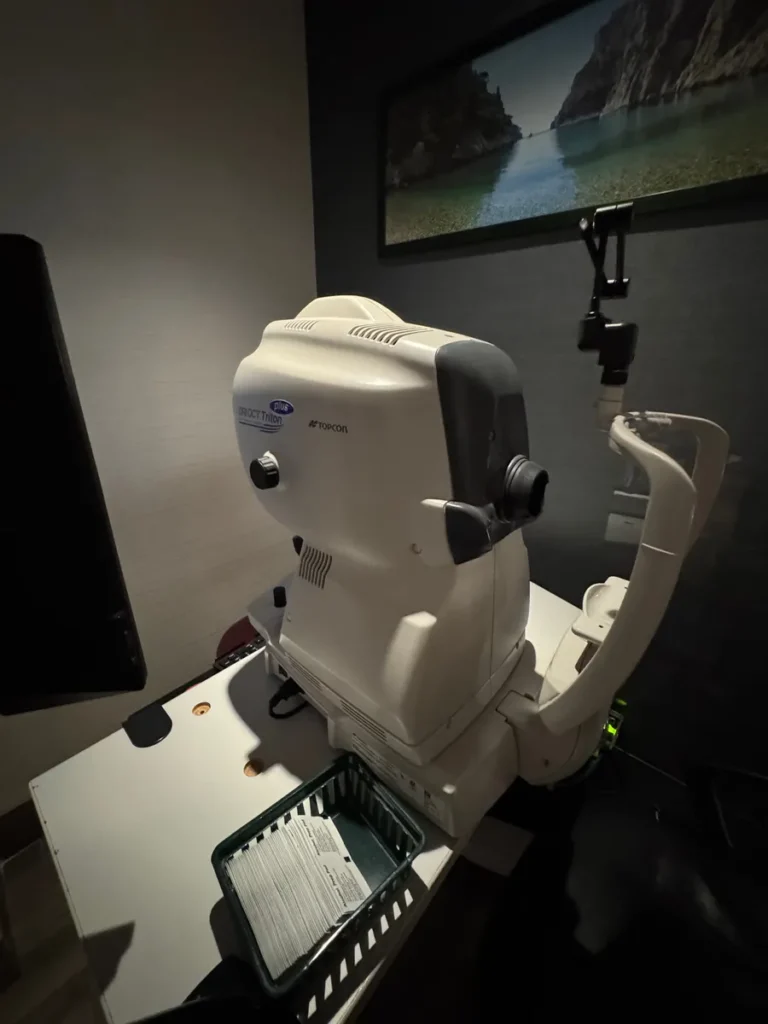
Depending on the patient’s symptoms and clinical findings, a retinal evaluation may include optical coherence tomography (OCT) or retinal photography.
We can then assess conditions such as macular degeneration, diabetic retinopathy, or other retinal disorders.
Why Choose Our Manhattan Retina Specialists?
Our board-certified retina specialists use diagnostic imaging to create individualized treatment plans to address each patient’s unique conditions. We work with patients referred by other ophthalmologists, optometrists, or people seeking a specialized retinal evaluation in New York City.
Certain conditions require examinations beyond routine eye care. Treatment recommendations are based on clinical findings, the patient’s medical history, and individual vision needs.
What to Expect During Your First Retina Appointment
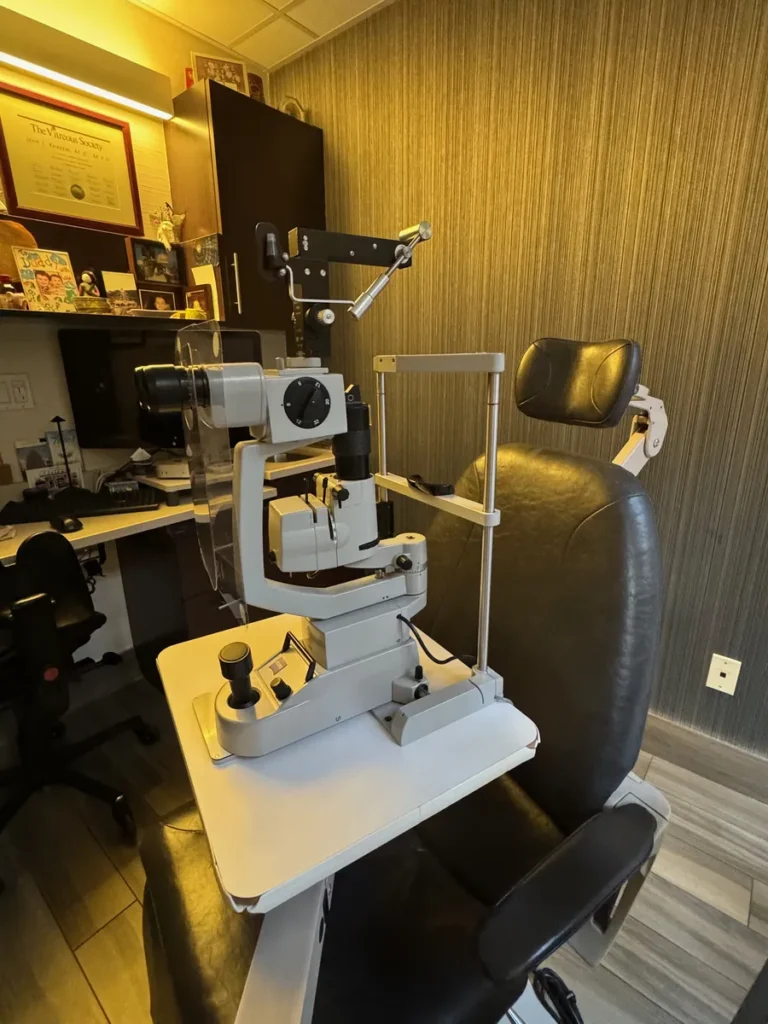
During your first visit a retina specialist will conduct a detailed examination of your eyes and review your medical and vision history. They will assess your vision, evaluate your retinal condition, and determine whether testing, monitoring, or treatment is the best course of action for you.
This may include vision testing, pupil dilation, and a detailed exam of your retina. The specialist may use the OCT machine, or other diagnostic imaging and retinal photography. Dilating allows the retina specialist to examine the back of the eye, although this may temporarily cause blurry vision, or sensitivity to light.
Bring any relevant medical records, previous eye exam results, and health insurance information. It’s important to allow time for additional testing and discussion of your exam findings. Your vision may be temporarily affected, arranging transportation or help from a friend would be appropriate.
Treatments Available by Manhattan Retina Specialists
After your individual clinical findings we will determine the severity of your condition. Treatment for retinal disease will depend on the diagnosis by the retina specialist. We use a range of medical, laser, and surgical approaches to handle retinal disorders. The goal is to preserve vision where possible and address complications that may affect your vision or threaten sight.
Common Retina Treatments
- Valeda Light Therapy: FDA authorized photobiomodulation treatment is an option for certain eligible patients with dry AMD. Eligibility will be determined after a retinal evaluation.
- Intravitreal Injections: Medications injected into the eye can be used to treat conditions such as wet AMD, diabetic macular edema, or certain retinal vascular diseases.
- Retinal Laser Treatment: Certain retinal tears or diabetic retinal complications may require laser procedures.
- Vitrectomy and Retinal Surgery: A vitrectomy is a surgical procedure in which a retina specialist removes the gel-like vitreous from inside the eye to access and treat the retina. It may be recommended for retinal detachment, macular holes, epiretinal membranes, or complications of diabetic retinopathy.
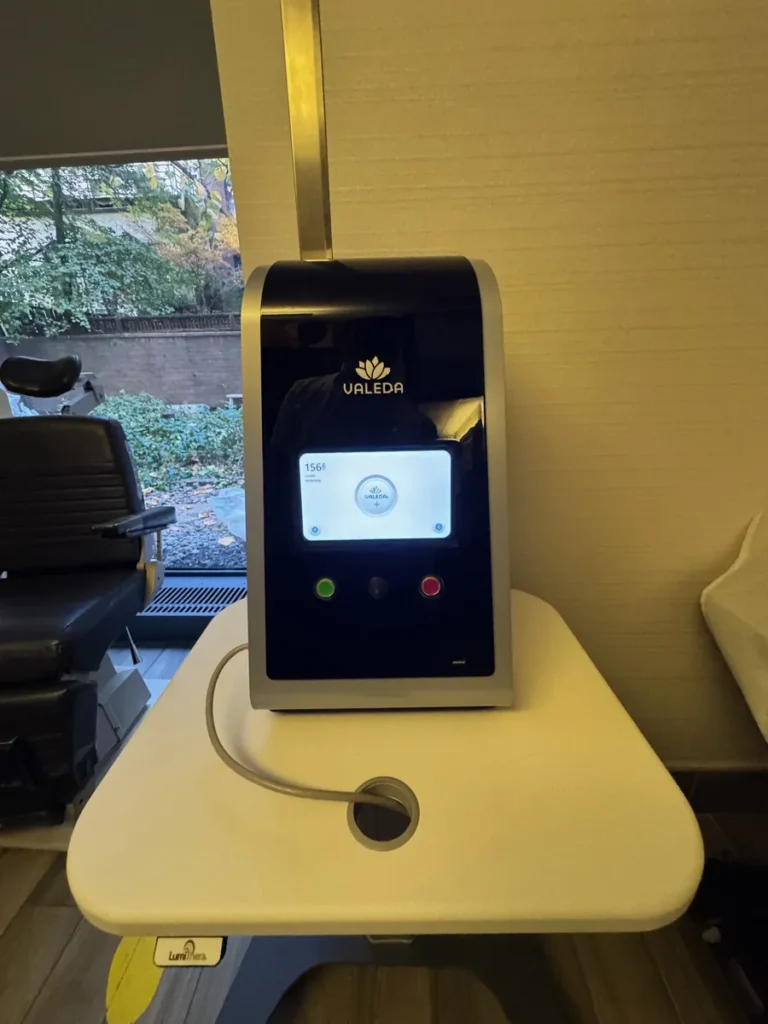
Learn more about Valeda Light Therapy in NYC and whether it may be appropriate for your condition.
Frequently Asked Questions About Retina Specialists in NYC
What is the difference between an ophthalmologist and a retina specialist?
Retina specialists have completed additional fellowship training. They are also ophthalmologists. Their additional training focuses on diseases and surgery of the retina and vitreous. Retina specialists treat conditions that may require specialized diagnostic testing or retinal surgery.
Do I need a referral to see a retina specialist?
Many patients visit a retina specialist after being referred by an optometrist or ophthalmologist. Whether a formal referral is required may depend on your insurance plan. Contact our office to discuss appointment scheduling and any referral requirements.
Will my eyes be dilated during my retina appointment?
The retina specialist is able to examine your eye more thoroughly once the pupil is dilated. You may experience blurry vision or sensitivity to light. These are temporary conditions.
Does insurance cover retina specialist appointments?
Coverage from insurance plans, referral requirements, and out-of-pocket costs vary widely. Contact our office to verify what your insurance benefits are and what your plan will cover. Retinal examinations and treatments may be covered by your insurance depending on your plan and diagnosis.

Schedule an Appointment With a Retina Specialist in NYC
If your ophthalmologist or optometrist has referred you to us for a retinal evaluation, or you have concerns about your retinal health, Associated Retina Specialist provides specialized retina care in Manhattan. Contact our office to request an appointment and we will schedule you for a comprehensive retinal evaluation.